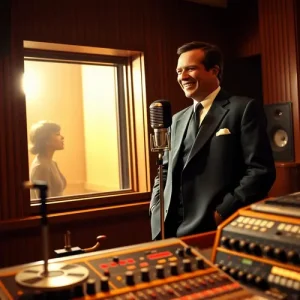
Fun Duets: 25 Crowd-Pleasing Songs to Master

fun duets
Table of Contents
Looking for fun duets that guarantee a memorable performance? The right song pairing transforms ordinary gatherings into unforgettable moments. Whether you’re planning karaoke night, a wedding reception, or simply want to harmonize with a friend, selecting songs that balance vocal chemistry with entertainment value makes all the difference.
The magic of fun duets lies in their ability to showcase two distinct voices while creating something neither singer could achieve alone. This dynamic has made duet performances a staple across genres from country to pop, rock to R&B.
What Makes Fun Duets Work
Successful duet performances share three core elements: complementary vocal ranges, engaging call-and-response patterns, and emotional resonance. According to vocal coaches at Berklee College of Music, the best duets allow each singer to shine individually while building moments of powerful harmony.
Voice pairing matters more than most singers realize. A soprano paired with a baritone creates natural contrast that audiences find compelling. The interplay between high and low registers adds depth that single-voice performances can’t match.
Timing and chemistry separate adequate duets from show-stopping ones. Partners who listen actively to each other create spontaneous moments that feel authentic rather than rehearsed.
Classic Crowd-Pleasers That Never Fail
“Don’t Go Breaking My Heart” by Elton John and Kiki Dee remains a karaoke staple for good reason. The playful back-and-forth requires minimal vocal training while delivering maximum entertainment value.
“Shallow” from A Star Is Born offers modern appeal with dramatic build-up. The song’s structure gives both singers equal spotlight, building from intimate verses to powerful choruses.
“Summer Nights” from Grease works brilliantly for mixed-gender pairs. The storytelling format keeps audiences engaged while the melody remains accessible to average singers.
Genre-Specific Fun Duets That Connect
Country music delivers some of the most emotionally rich duet material. “Jackson” by Johnny Cash and June Carter demonstrates how personality can overshadow technical perfection. Their playful banter between verses created a template countless performers still follow.
Rock duets like “Stop Draggin’ My Heart Around” by Stevie Nicks and Tom Petty prove that grittier vocals create their own appeal. The song’s driving rhythm helps less confident singers stay on pitch.
R&B and soul offerings like “Endless Love” by Diana Ross and Lionel Richie showcase what pure vocal beauty can achieve. These songs demand more technical skill but reward singers with genuine emotional impact.
Choosing Fun Duets for Different Occasions
| Occasion | Best Song Style | Key Consideration |
|---|---|---|
| Karaoke Bars | Upbeat, recognizable hits | Crowd singalong potential |
| Weddings | Romantic classics or fun uptempo | Audience age range |
| Talent Shows | Vocally challenging showpieces | Technical skill display |
| Family Gatherings | Cross-generational favorites | Clean lyrics, broad appeal |
Matching Songs to Fun Duets Skill Levels
Beginners should prioritize songs with repetitive melodies and limited range requirements. “You’re The One That I Want” from Grease stays within comfortable octaves while still sounding polished.
Intermediate singers can tackle more complex harmonies. “The Boy Is Mine” by Brandy and Monica features conversational phrasing that sounds natural when executed properly.
Advanced vocalists shine in technically demanding material like “The Prayer” by Celine Dion and Andrea Bocelli. These songs require breath control, pitch accuracy, and emotional maturity.
Performance Tips From Vocal Professionals
Stage positioning affects audience perception more than many performers realize. Standing at slight angles rather than facing each other directly keeps both singers visible while maintaining connection.
Microphone technique separates amateur from professional performances. Pull back slightly during loud passages and lean in during soft moments. This dynamic control prevents audio distortion while adding intimacy.
Eye contact creates authenticity but shouldn’t be constant. Natural performers alternate between looking at their partner, the audience, and occasionally away during reflective moments.
Common Mistakes That Ruin Fun Duets
Overcompeting vocally destroys the collaborative spirit duets require. When both singers try to out-perform each other, the song loses cohesion. The best duet partners understand when to support and when to lead.
Ignoring song narrative creates disconnected performances. Many duets tell stories requiring distinct character voices. Singing mechanically without understanding the emotional arc makes performances forgettable.
Poor song selection causes more failed duets than vocal limitations. A ballad chosen for high energy venues or uptempo numbers for intimate settings never land correctly regardless of skill level.
Hidden Gems Beyond The Obvious Choices
“Love Shack” by The B-52’s offers an unexpected duet opportunity with its call-and-response structure. The quirky energy makes it memorable at casual events.
“Picture” by Kid Rock and Sheryl Crow blends country and rock in ways that appeal to diverse audiences. The conversational lyrics feel genuine rather than performative.
“Somethin’ Stupid” by Frank and Nancy Sinatra demonstrates how simplicity can be powerful. The gentle melody requires emotional delivery over vocal acrobatics.
Expert Opinion: Why Vocal Match Matters More Than Talent
Here’s what most singers get wrong about duets: they focus on individual ability rather than compatibility. Two technically perfect singers with clashing timbres will always sound worse than two average singers whose voices blend naturally.
Voice teachers at the National Association of Teachers of Singing emphasize that successful duet partners share similar vowel formation and vibrato patterns. This creates the illusion of a single, richer instrument.
Testing compatibility before committing to a song saves embarrassment. Record yourselves singing together and listen critically. If your voices fight for sonic space rather than complementing each other, choose different partners or different material.
Building Your Fun Duets Repertoire
Start with three core songs spanning different tempos and emotional tones. Master one upbeat crowd-pleaser, one romantic ballad, and one mid-tempo storyteller. This variety prepares you for most performance situations.
Practice separately before combining efforts. Each singer should know their parts cold, including entrances, exits, and harmony sections. Confident individual preparation allows focus on partnership during rehearsal.
Record practice sessions and review objectively. Audio playback reveals balance issues, timing problems, and moments where harmonies drift that you won’t hear while performing.
Rehearsal Strategies For Polished Fun Duets
- Run through songs without accompaniment to test pitch accuracy and blend
- Practice entrances and transitions repeatedly until they feel natural
- Record dress rehearsals to identify body language and staging improvements
- Simulate performance conditions including standing positions and microphone handling
- Build contingency plans for forgotten lyrics or technical difficulties
The partnership aspect of fun duets requires trust and communication beyond musical preparation. Discuss interpretive choices openly and compromise on arrangement details. The best performances emerge when both singers feel invested in shared artistic vision.
Remember that audience connection trumps technical perfection. Singers who convey genuine enjoyment and emotional investment create memorable moments even with occasional pitch issues. Authenticity resonates more powerfully than flawless but sterile execution.

I'm Niki, a music educator who has dedicated the last decade to sharing the knowledge and beauty of vocal artistry — from duets and streaming to live performance. I have published 1,381 music guides here since 2022.