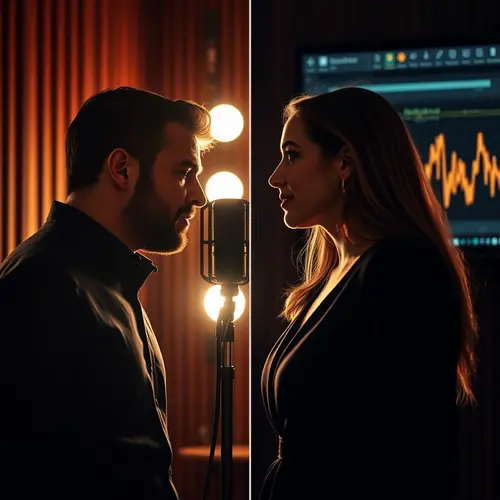
Romatic Music for Slow Nights When You Want to Build a Real Connection

Table of Contents
There’s something quietly frustrating about a night that should feel meaningful—but doesn’t quite get there. You’ve got the time, the setting, maybe even the right person… but the atmosphere feels flat. This is where romatic music becomes more than background noise. It turns into a subtle tool for connection, helping you create a space where conversation flows easier and silence feels comfortable, not awkward.
Slow nights aren’t about impressing someone. They’re about being present. And the right music can gently guide that energy without forcing anything. A well-chosen track can soften tension, encourage openness, and make even the simplest moments feel shared. If you’ve ever wondered how to make those quiet hours feel deeper and more natural, you’re in the right place.
This guide will show you how to use romatic music thoughtfully—so your nights feel less like small talk and more like something worth remembering.
Why romatic music Matters More Than You Think
It Sets Emotional Pace Without Saying a Word
Every interaction has a rhythm. Some feel rushed, others feel stuck. Music helps regulate that pace.
With romatic music, you’re not just filling silence—you’re shaping it. Slower tempos naturally encourage:
- Longer conversations
- Softer tones of voice
- More thoughtful responses
It’s similar to dimming the lights. You’re not changing the people in the room—you’re changing how they feel in it.
It Reduces Social Pressure
Not every moment needs words. In fact, too many can make things feel forced.
Soft, well-selected romatic music creates a buffer. It allows pauses to exist without discomfort. That’s especially valuable early in a relationship or when you’re trying to deepen an existing one.
Instead of thinking, “What should I say next?”, both of you can simply exist in the moment.
Choosing the Right romatic music for Slow Nights
1. Focus on Tempo and Space
The best romatic music for connection tends to sit in a slower BPM range—usually between 60 to 90 beats per minute. This tempo mirrors a relaxed heartbeat, which naturally calms the nervous system.
But tempo alone isn’t enough. Pay attention to:
- Instrument spacing (avoid overcrowded production)
- Soft dynamics (nothing too loud or aggressive)
- Gentle transitions between tracks
Think of it like conversation. You want space to breathe.
2. Prioritize Warm, Organic Sounds
Digital-heavy tracks can feel distant. For a closer emotional experience, lean toward:
- Acoustic guitar
- Piano-driven arrangements
- Light strings or ambient textures
These elements make romatic music feel more human, more grounded. It’s the difference between hearing a song and feeling it.
3. Choose Lyrics That Don’t Dominate
Lyrics should support the moment, not take it over.
Look for songs where:
- The message is subtle, not overwhelming
- The tone is reflective rather than dramatic
- The words feel relatable without being too specific
If the lyrics demand too much attention, they can pull focus away from the person you’re with. The goal of romatic music here is connection, not distraction.
How to Use romatic music to Build a Real Connection
Create a Soft Entry Into the Night
Start your evening with slightly lighter tracks before transitioning into deeper tones.
For example:
- Begin with mellow indie or soft pop
- Gradually introduce slower, more intimate songs
This mirrors how conversations naturally deepen over time. You’re guiding the mood, not forcing it.
Let the Music Support, Not Lead
It’s tempting to build the entire night around a “perfect playlist.” But connection doesn’t come from perfection—it comes from presence.
Use romatic music as a backdrop, not the main event. Keep the volume low enough that:
- You don’t have to raise your voice
- You can still hear subtle changes in tone and emotion
When music supports instead of dominates, it enhances everything else.
Pay Attention to Their Reactions
Connection is always two-sided. Watch how the other person responds:
- Do they relax as the music plays?
- Do they engage more in conversation?
- Do they seem distracted or disconnected?
If something feels off, adjust. The best use of romatic music is responsive, not rigid.
Building a Playlist That Feels Personal
Mix Familiar and New Tracks
Familiar songs create comfort. New songs create curiosity.
A good romatic music playlist blends both:
- 60% familiar, easy-listening tracks
- 40% new or less-known songs
This balance keeps the experience engaging without feeling unpredictable.
Avoid Overloading the Playlist
More songs don’t equal better atmosphere.
For a slow night, 60–90 minutes of romatic music is usually enough. Beyond that, repetition or inconsistency can break the mood.
Quality matters more than quantity.
Keep Transitions Smooth
Abrupt changes in tone can disrupt the emotional flow.
Pay attention to:
- Key compatibility
- Volume consistency
- Energy progression
A smooth playlist feels almost invisible—which is exactly what you want.
Common Mistakes That Break the Mood
Choosing Music That’s Too Intense
Songs about heartbreak, obsession, or overwhelming passion can create emotional confusion—especially if the connection is still developing.
Stick with romatic music that feels steady and grounded. Let intensity build naturally over time.
Ignoring the Environment
Music doesn’t exist in isolation. It interacts with:
- Lighting
- Room acoustics
- Background noise
A great playlist in the wrong environment won’t have the same impact. Adjust accordingly.
Overthinking Every Detail
Ironically, trying too hard can make things feel less natural.
Yes, romatic music matters—but it’s only one piece of the experience. Focus on being present. That’s what people remember.
Why Slow Nights Matter More Than Grand Gestures
Big moments are easy to plan. They’re visible, measurable, and often expected.
Slow nights are different. They reveal:
- How comfortable you are together
- How well you listen
- Whether silence feels safe or awkward
That’s why romatic music works so well in these settings. It supports the kind of connection that doesn’t need to be announced—it’s simply felt.
Turning Simple Moments Into Lasting Memories
You don’t need expensive plans or elaborate setups to create meaningful experiences.
Sometimes, all it takes is:
- A quiet space
- A shared moment
- The right romatic music playing softly in the background
Over time, these small moments become reference points. A song you played on a random evening might later remind both of you how things started.
That’s the real value here. Not just atmosphere—but memory.
Building a real connection isn’t about saying the perfect thing or creating a flawless night. It’s about consistency, attention, and emotional awareness.
Romatic music helps you get there—not by doing the work for you, but by making space for it to happen naturally. It softens the edges of conversation, reduces pressure, and allows genuine moments to surface without force.
So next time you find yourself in a quiet evening with someone who matters, don’t rush to fill the silence.
Let the music carry part of the weight.
And give the moment room to become something real.

I'm Niki, a music educator who has dedicated the last decade to sharing the knowledge and beauty of vocal artistry — from duets and streaming to live performance.