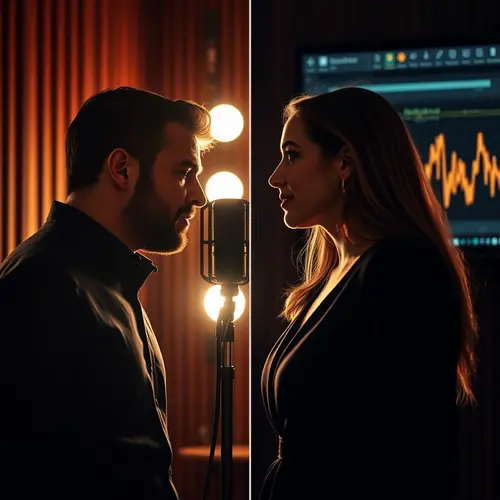
Popular Duet Songs Everyone Loves to Perform

Table of Contents
Popular duet songs tap into one of music’s most powerful formats with vocal partnerships and lasting appeal.
Vocal partnerships create harmonic depth and emotional resonance that solo performances simply cannot replicate. These collaborations have dominated charts, wedding playlists, and karaoke nights. For harmony practice see karaoke duets and male female duet guides. These tracks have dominated charts, wedding playlists, and karaoke stages for decades.
The chemistry between two vocalists transforms a good song into an unforgettable experience. Whether you need selections for a special performance or want to understand what makes these collaborations iconic, this guide delivers practical insights from industry veterans.
Vocal partnerships create harmonic depth and emotional resonance that solo performances simply cannot replicate. These collaborations have dominated charts, wedding playlists, and karaoke nights. For harmony practice see karaoke duets and male female duet guides. These tracks have dominated charts, wedding playlists, and karaoke stages for decades.
The chemistry between two vocalists transforms a good song into an unforgettable experience. Whether you need selections for a special performance or want to understand what makes these collaborations iconic, this guide delivers practical insights from industry veterans.
What Makes Popular Duet Songs Truly Resonate
Vocal interplay separates memorable duets from forgettable ones. The best partnerships feature complementary timbres—contrasting vocal textures that enhance rather than compete. Dynamic range matters significantly. One voice might carry the verses while the partner anchors the chorus, creating natural tension and release. This call-and-response structure keeps listeners engaged throughout the track. Harmonic intervals tell the story. Thirds and sixths produce that rich, blended sound in ballads. Unison singing on key phrases adds power. Professional vocalists study these technical elements obsessively.Classic Popular Duet Songs That Define Genres
Country music mastered the art form early. Partnerships in this genre showcase storytelling through dialogue, with each vocalist representing different perspectives within the narrative. Rock duets exploded with raw energy. Vocalists pushed boundaries with gritty textures and unconventional phrings that challenged traditional harmony rules. Soul and R&B elevated duets to spiritual experiences. The melismatic runs, ad-libs, and vocal improvisation created lightning-in-a-bottle moments that producers still reference.Breaking Down Iconic Popular Duet Songs By Vocal Technique
The anatomy of successful duets reveals fascinating patterns. Lead-and-support structures dominate mainstream formats, where one vocalist carries melodic responsibilities while the partner provides harmonic foundation. Equal partnership duets split melodic duties evenly. This democratic approach requires exceptional vocal matching and careful arrangement to prevent sonic clutter. Trading eights—a jazz concept—appears in pop duets where vocalists alternate phrases. This builds anticipation and highlights individual strengths within the collaborative framework.How Producers Engineer Them for Maximum Impact
Studio professionals apply specific techniques to duet recordings. Panning decisions place voices in distinct stereo positions, creating spatial separation that clarifies individual performances. Compression settings differ between vocalists. Engineers match dynamic ranges without sacrificing individual character, ensuring both voices sit properly in the mix. Reverb and delay choices enhance the illusion of shared space. Subtle differences in these effects can suggest physical distance or emotional connection between performers.| Duet Style | Vocal Approach | Best Use Case | Technical Challenge |
|---|---|---|---|
| Romantic Ballad | Blended harmonies, soft dynamics | Weddings, intimate venues | Pitch matching in sustained notes |
| Power Duet | Unison on chorus, belting | Arena performances, climactic moments | Volume balance without distortion |
| Conversational | Call-and-response, narrative | Storytelling, theatrical settings | Timing precision in exchanges |
| Gospel-Influenced | Melismatic runs, improvisation | Emotional climax, spiritual contexts | Spontaneous harmony creation |
Selecting Popular Duet Songs for Different Vocal Ranges
Range compatibility determines performance success. Soprano-tenor pairings naturally create wide intervallic spaces, while alto-baritone combinations produce warmer, closer harmonies. Transposition becomes necessary when adapting songs. Professional accompanists keep multiple key versions ready, adjusting to accommodate vocalist comfort zones. Tessitura—the range where a voice sounds most comfortable—matters more than absolute range. Smart song selection prioritizes sustained comfort over impressive but strained high notes.The Business Strategy Behind Hit Collaborations
Record labels leverage duets strategically. Cross-promotion between artists expands audience reach, introducing each performer’s fanbase to their partner’s catalog. Streaming algorithms favor collaborations. Playlists curated around featured artists drive discovery, making duets valuable tools for breaking new talent. Radio programmers appreciate duets for format flexibility. A country-pop crossover duet can appear on multiple station formats, multiplying airplay opportunities.Expert Opinion: Why Many Modern Duets Miss the Mark
Too many contemporary collaborations prioritize celebrity pairing over musical chemistry. Producers force partnerships based on streaming metrics rather than vocal compatibility, resulting in technically proficient but emotionally hollow recordings. The best partnerships emerge from genuine artistic respect. When vocalists understand each other’s strengths and limitations, they create space for magic rather than competing for dominance. According to audio engineering standards published by the Audio Engineering Society, proper gain staging in duet recordings requires individual channel optimization before blend processing. Many bedroom producers skip this foundational step.Building Your Performance Repertoire Step by Step
Start with songs that match your natural ranges. Forcing uncomfortable keys leads to vocal fatigue and poor performances, regardless of how iconic the original recording sounds. Practice with isolated tracks when possible. Many karaoke platforms offer separated vocal channels, allowing you to rehearse your specific part before blending with your partner. Record rehearsals obsessively. Playback reveals timing issues, pitch discrepancies, and dynamic imbalances that feel correct in the moment but sound off in reproduction.Common Mistakes When Performing Popular Duet Songs
- Over-singing to compete with your partner instead of blending intentionally
- Ignoring breath marks in the original arrangement, creating awkward phrasing
- Failing to establish eye contact and physical cues for timing synchronization
- Choosing songs outside your comfortable vocal range for sake of popularity
- Neglecting to discuss interpretation and emotional approach before performance
- Using excessive vibrato that creates phase cancellation when harmonizing
The Science of Why We Love Duets
Neuroscience research from institutions studying music perception reveals that our brains process harmonized voices differently than solo vocals. The acoustic complexity triggers broader neural activation, creating more memorable listening experiences. Rhythmic entrainment between vocalists produces subconscious satisfaction. When timing locks perfectly, listeners experience enhanced emotional response, even without conscious awareness of the technical precision. Lyrical dialogue in duets engages our narrative processing centers. We naturally assign character and story to each voice, transforming passive listening into active interpretation.Final Considerations Before You Perform
The enduring appeal of vocal partnerships lies in their fundamental humanity. Two voices navigating melodic territory together mirrors our social nature and need for connection. Whether you perform professionally or sing for personal enjoyment, understanding the technical and emotional architecture of popular duet songs elevates your appreciation and execution. These collaborations represent music’s collaborative spirit at its finest, proving that combined artistry often surpasses individual achievement.What makes popular duet songs resonate so widely?
Popular duet songs pair complementary voices with clear emotional stories. Study harmony balance and phrasing to hear why these partnerships endure.
How should beginners practise duet harmony?
Start with one simple chorus, assign lead and support roles, then record short takes. Review blend daily and adjust volume until both voices sit evenly.
How do I choose songs for a live set?
Match song range to both singers, test two or three keys, and keep transitions simple. Pick crowd-friendly tempos that let harmonies shine.

Niki Wae
I'm Niki, a music educator who has dedicated the last decade to sharing the knowledge and beauty of vocal artistry — from duets and streaming to live performance. I have published 1,381 music guides here since 2022.